
IP advice for your industry

Retail

Guidance for Brands, Manufacturers, Designers, and Retailers

In the highly competitive retail sector, intellectual property (IP) is a valuable business asset. Whether you're selling toys, food and drink, fashion, homeware, or digital goods, protecting your designs, branding, packaging, and creative content is essential to stand out, build brand equity, and drive commercial success. IP rights also help prevent copying, counterfeiting, and unfair competition.

1. Key Types of IP in Retail

Retail businesses often rely on a combination of IP rights, including:

  • Trade marks: Protect brand names, logos, slogans, product names, and even shapes or packaging (e.g. Coca-Cola bottle).
  • Copyright: Covers original written content (labels, ads), artwork, product designs, jingles, packaging artwork, branding artwork, and instructions.
  • Design rights: Protect the appearance of a product (e.g. toy shapes, food packaging, fashion styles).
    EU and UK law recognise both registered and unregistered design rights.
  • Trade secrets and know-how: Covers recipes, processes, or business strategies not publicly known.

Retailers should audit and catalogue their IP assets regularly to ensure everything that can be protected is identified and properly secured.
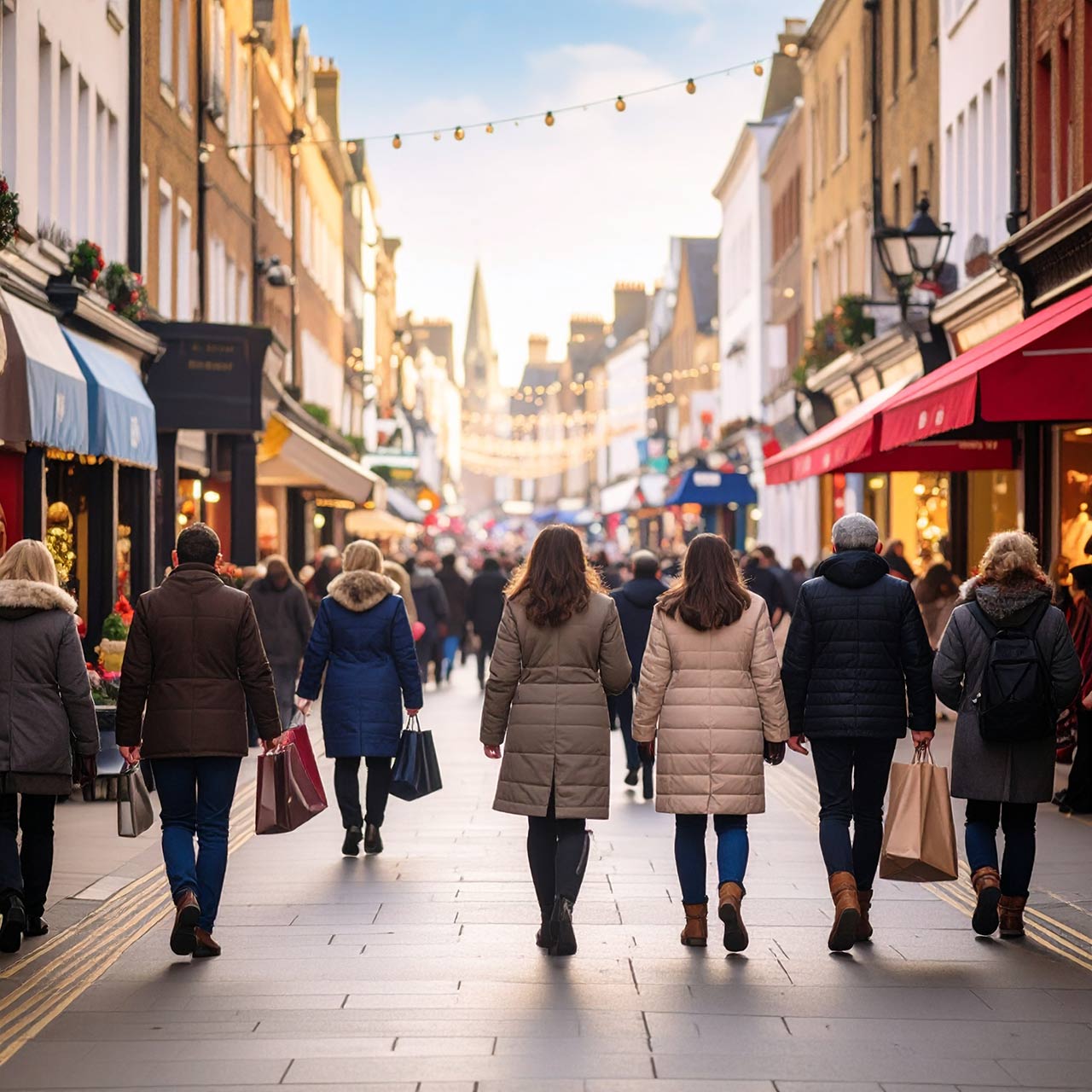

Busy highstreet
Toy shop with packed shelves

2. Protecting Product Designs and Branding

  • Toys and Games: Protect character designs, game mechanics, packaging, and branding. Use design registration for toy shapes and copyright for rules or illustrations.
  • Food and Drink: Brand names and packaging are protected by trade mark law. Recipes are not protectable by copyright but may be protected as trade secrets if kept confidential.
  • Fashion and Homewares: Clothing, patterns, and accessories may be protected as designs. Logos and labels should be registered as trade marks.

To prevent copycats:

  • Register trade marks and designs early in relevant jurisdictions.
  • Use clear labelling and packaging to deter infringement.
  • Monitor marketplaces (online and offline) for IP violations.

3. Licensing and Collaborations

IP licensing is common in retail, allowing businesses to:

  • Use well-known characters, brands, or celebrities on products (e.g. Disney toys, chef-endorsed kitchenware).
  • Extend their own brand into new categories through brand extension deals.

Retailers and licensees must:

  • Secure clear written agreements outlining the scope of rights (products, territory, term).
  • Define approval processes, royalties, sales reporting, and quality control requirements.
  • Respect licensors’ brand integrity and usage guidelines.

Licensors should ensure their IP is properly registered and maintained to support enforceability.

Celebrity chef endorsing cookware

4. Enforcement and Infringement

Retailers are particularly vulnerable to:

  • Counterfeit products, especially in toys, fashion, and beauty.
  • Brand copying, including confusingly similar logos, slogans, or product names.
  • Packaging imitation that misleads consumers.

To reduce risk:

  • Register key trade marks and designs.
  • Act quickly with takedown notices or legal claims against infringers.
  • Use customs enforcement tools to stop counterfeit goods at borders.

Retailers should also avoid unintentionally infringing others’ rights:

  • Conduct clearance searches before launching products or branding.
  • Avoid third-party designs, fonts, or media without permission.

5. Online and International Considerations

As retail increasingly operates online:

  • Domain names and social media handles should be registered and monitored.
  • IP protection should extend to e-commerce platforms (e.g. Amazon, Etsy).
  • International IP registration may be necessary if selling abroad, especially in high-risk jurisdictions for counterfeiting.
Final considerations

For all retail businesses, IP protection is central to long-term value creation. Whether you're launching a new product, expanding your range, or collaborating with licensors, ensure your rights—and obligations—are clearly defined.

Retailers and brand owners should:

  • Proactively register and manage IP assets.
  • Use contracts to define ownership and licensing rights.
  • Monitor and enforce IP protections across markets.

Consulting an IP specialist is strongly recommended to align protection strategies with commercial goals and legal requirements in the UK and globally.

“Our trade marks have played a vital role in our journey

from a provider of hog roasts to a nationally, and

increasingly internationally, recognised brand”.  

Max Kohn
The Jolly Hog Group Limited
The Jolly Hog
Our services

At The Victor, we do not have blind spots

By putting Etched® at the heart of our services, we are able to provide our clients with gold standard intellectual asset management.

Our trade mark and design attorneys are experts in all aspects of trade mark law and practice

The Victor Trade Mark Services

Our trade mark and design attorneys are experts in all aspects design law and practice

The Victor Design Registration Services

Our intellectual asset management team uses Etched to proactively secure all the evidence you need on the blockchain

The Victor Copyright Management Services

Our intellectual asset management team uses Etched to proactively secure all the evidence you need on the blockchain


The Victor Evidential Archiving Services
Project Image